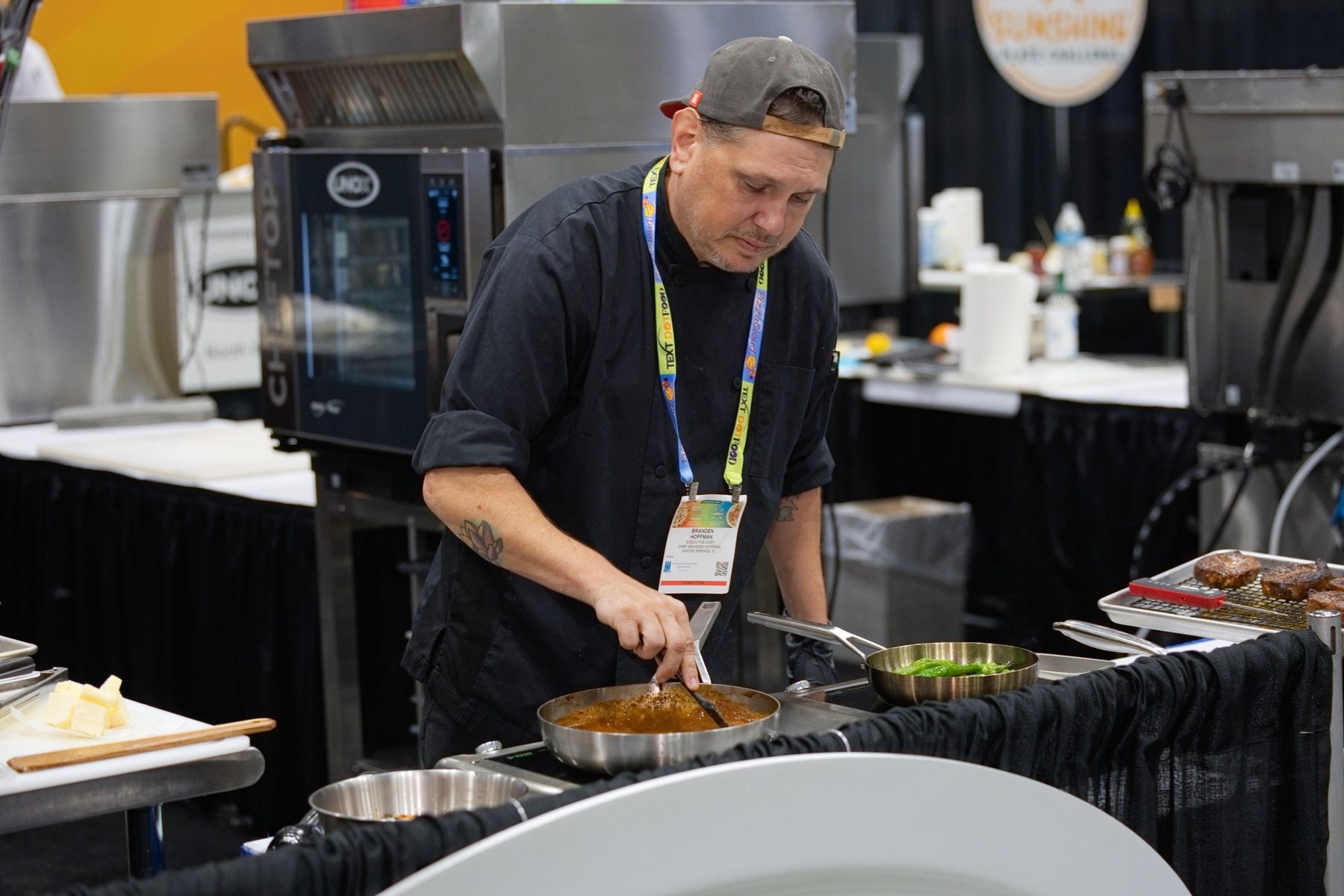
When I think about the chefs who helped shape my career, I don’t just remember the dishes they taught me. I remember the standards they held me to, the times they challenged me, and the moments when somebody took the time to explain why something mattered.
Not every lesson was delivered gently. Kitchens aren’t exactly famous for their soothing atmosphere. But the best mentors weren’t just trying to get through that night’s service. They were helping me become better at the craft.
As my career has grown, I’ve started to see that relationship from the other side. I’ve led teams, trained cooks, and watched people go from being nervous about a task to doing it confidently. That moment when something finally clicks for someone? It’s pretty hard to beat.
Maybe it’s a young cook learning to sear fish properly, or realizing that a little acid can bring a sauce to life. Maybe it’s someone discovering that having a clean, organized station isn’t just a rule somebody made up to annoy them. It actually makes the whole night easier.
But teaching cooking is about more than recipes. It’s about patience, problem-solving, teamwork, and learning how to take criticism without letting it define you. Those skills are useful whether someone ends up running a restaurant, starting a business, or doing something completely different.
I’ve been thinking more about culinary education and opportunities to help students and young cooks find their place in this industry. Not everybody is going to follow the same path, and that’s a good thing. We need creative people in restaurants, baking, food science, hospitality, and every other corner of this world.
I still love standing behind the stove. I still get excited about a new ingredient, a difficult technique, or a menu idea that probably has too many moving parts. I don’t expect that part of me to go away.
But I’d also like to help the next generation avoid a few mistakes I made, develop their own ideas, and find the confidence to keep learning. The chefs before me invested in my future. Passing that knowledge along feels like one of the best ways to honor what they gave me.
And if the students end up teaching me something along the way? Even better. That’s how this craft keeps moving forward.